



Community

See, Writing Is Rewarding

The Zócalo Public Square High School Essay Contest was made possible by the generous support of Southern California Gas Company.

penpaper_hsessaycontest

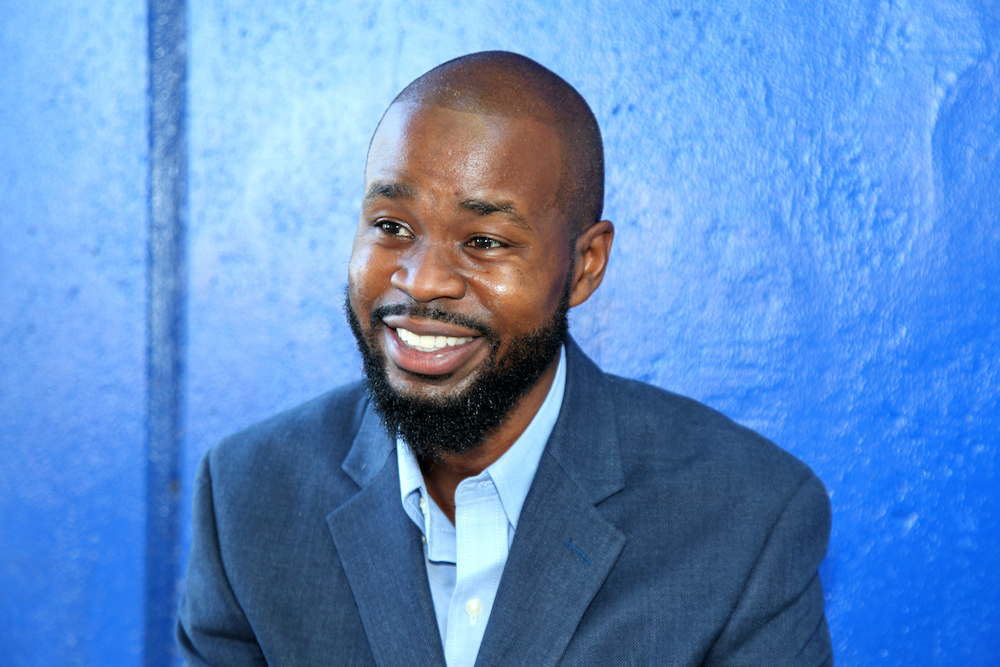
When Zócalo Public Square invited Los Angeles-area high school seniors to submit essays on the most powerful way to make their communities stronger, we received entries from dozens of schools across the region. Rodney Savannah‘s winning essay, about the challenges he’s faced growing up with a single mother in a crime-ridden area of south Los Angeles, stood out for its honesty and inspiring words about overcoming obstacles. Rodney detailed a plan to improve his neighborhood through motivating younger students to go to college. A senior at Crenshaw High School, Rodney is an aspiring doctor who is the captain of the tennis team. He will receive his $1,000 scholarship from Southern California Gas Company and read his essay at the First Annual Zócalo Public Square Book Prize Award Ceremony on April 8, 2011 at the Museum of Contemporary Art (MOCA) Grand Avenue. For more event details and to RSVP, please click here.

Kira Sandiford, a senior at Los Angeles Center for Enriched Studies, won second prize and $750 for her eloquent description of the importance of getting to know one’s neighbors and listening to their stories. Wendy Castillo, a senior at Downtown Magnets High School, won third prize and $500 for her essay, about changes she would make to public school systems.

Below is Rodney’s winning essay:

rodneysavannah
It was a typical Wednesday afternoon. My mom had just picked me up from Crenshaw High School and brought me home. When we got to our apartment, I saw a note on the door. My mom got to it first and, with a look of disbelief, began to break down and cry. Confused, I took the note away from her shaking hands and read the word that made my heart drop: Eviction.

That moment was a turning point in my life. As I sat there reading the note again, I began to think about all the problems my family and I have faced. From the day my father left up until we were evicted from that one-bedroom apartment, we have endured obstacles such as unemployment, welfare, and death. That day, I took a vow to end my family’s misfortune. I realized that college was my ticket to a brighter future. However, to make it to college, I knew I had to redirect my focus on academics. Since then, I have made school my first priority. My teachers have recognized my drive and have nominated me for the National Youth Leadership Forum on Medicine and the White Coat Honors Society. Although I have many responsibilities at home, like taking care of my younger sisters, I still manage to find time to stay involved in school activities and have volunteered for organizations like The Alliance for Children’s Rights and the Urban League. I have even had the chance to intern at Children’s Hospital Los Angeles, which gave me the passion to become a doctor. It is the experience of overcoming my obstacles and putting myself in the position to go to college that has provided me the strength and leadership I need for the future.

I plan to use the confidence I gained from my experiences and spread it to my community. My neighborhood in south Los Angeles, whose beauty is masked by the desolation of poverty, goes widely unnoticed. There are young men who are full of potential, but their lack of support forces them into a life of crime. There are innocent children who, just like me, live in a single-parent home because their fathers abandoned them. There are mothers whose beautiful faces have aged because of the stress of working relentlessly to support their children. My community, once a thriving area, has become a stereotypical African-American neighborhood, full of drugs and rising crime rates. It is up to us to restore it back to its past glory.

The reconstruction of our community begins with the kids. The children that live around me are potential doctors, lawyers, and entrepreneurs. It breaks my heart to see that potential subdued by the roaring sound of gunshots and police cars. If we provide them with the courage to overcome their obstacles and stay focused, they will ultimately grow into successful adults. The day those kids discover their true potential will be the day the terrible cycle will be broken and our community will began to shine.

I feel like I am in the perfect position to help kids find the support they need to keep going. Coming from the same background, I know firsthand what it is like to feel alone and start to lose focus. I know what responsibilities come along with living in a single-parent home and how it can make you feel as if you are at a disadvantage when compared to the living situations of your peers. I want my accomplishments and my story to speak as a testimony to the kids in my community (and communities around the world) who are in my position and feel like giving up. The children are our future, so by reaching out to them and making sure each of them are on the right track, we can change the world one kid at a time. One day I hope to start my own scholarship foundation.

When it comes down to it, my community’s progress begins with me. My actions can trigger the rebirth of my neighborhood. That is why my mind is set on college. I know it is the key to a better tomorrow. It is my chance to remove every tear that has stained my mother’s cheeks and make her proud. By going to college, I can set a good example for my sisters and the kids of my community and provide them with a desire for higher education. I am in a crucial position. My next few steps in life can not only benefit myself, but also those around me. I plan to be the kind of leader and role model people will be happy to admire. Most of all, college will allow me to finally let go of my past. I will make sure that the next time I leave home, it won’t be because of an eviction notice, but because I’ll be chasing my dreams.

socalgaslogo

*Photo courtesy of LucasTheExperience.

Comments (6)

  1. Great essay Rodney, very inspirational! Best of luck in the future and to your academic goals and achievements.

  2. WENDY says:

    Rodney, your essay is absolutely inspiring! I wish you ALL the BEST. You are such a great example to young and the “not so young.” Don’t let anyone or anything rob your drive and resilience. I’m cheering for you :)

  3. Stephanie says:

    Wow! Powerful and well written! Congratulations! You deserve it!

  4. Lauren Steiner says:

    Wonderful essay. I am working with foster care youth in South LA every Saturday and I see the potential that is in all these kids. They just need to be given a chance. Good luck with your schooling Rodney. I hope when the long grind of becoming a doctor is finished, you remember your vow to return to the community and help the people.

  5. Gena Lofton says:

    Rodney, I meet you last night at The Rand Corporation. I sincerely hope that you reach your dreams as I am sure that you will exceed all of your goals and objectives.

    please keep in touch.

    gena

  6. [...] Rodney Savannah has been through a lot in his 18 years on Earth: his father abandoned his family, his mother was evicted from their apartment, more than a few family members have died. Yet Savannah has excelled in school, is off to college in the fall and plans to be a doctor. His essay about his experiences won Zócalo’s first annual high school essay contest, netting him a $1,000 college scholarship. Read essay here [...]

Leave a Reply

*

Articles

Feuilleton
Friday, December 3, 2010
How One Family Created Chinese America
Zócalo

The Lucky Ones, by Mae Ngai The Lucky Ones: One Family and the Extraordinary Invention of Chinese America by Mae Ngai Hyphenated cultures seem to be a natural part of California’s landscape today, but it wasn’t always so. The Lucky Ones by Mae Ngai offers a fresh look at California history by reconstructing the lives of immigrant and second generation pioneers who lived between cultures when it was not such a common phenomenon. Ngai’s narrative brings Chinese Americans into a richer tradition of historical storytelling by humanizing an ambivalent, middle-class immigrant family, situating their lives within the more well-known histories of Chinese laborers and those who suffered from the 1882 Exclusion Act.

Poetry
This week in L.A.
From the green room
 
Connecting People to Ideas and to Each Other

Thank you to Zócalo sponsors:


Wordpress template made by HeJian